Why Routine Mold Testing in Gettysburg PA Matters for Your Home
Living in Gettysburg means enjoying four distinct seasons, historic architecture, and a community that takes pride in its homes. But those same charming older houses and newer developments share a common challenge: moisture. Whether it is a damp basement after a spring thaw, a hidden leak behind a bathroom wall, or humidity that lingers in a crawl space, conditions here are prime for mold growth. I have seen too many homeowners wait until they spot visible black spots or smell a musty odor before they start asking questions. By then, the problem is often bigger than a simple cleanup. That is where professional mold testing comes in, and understanding the local context makes all the difference.
Why Testing Is Different From Inspection
A lot of people use the words "inspection" and "testing" as if they mean the same thing. They do not. An inspection is a visual walk-through. A trained eye looks for water stains, peeling paint, damp spots, and visible growth. That is useful and necessary, but it only tells part of the story. Mold testing goes deeper. It samples the air or surface materials to identify what species of mold are present and at what concentration. That matters because not all mold is equally harmful. Some types, like Cladosporium, are common outdoors and usually harmless inside at low levels. Others, like Stachybotrys (often called black mold), produce mycotoxins that can trigger respiratory issues, fatigue, and other health problems. Without testing, you are guessing.
I have walked into homes that smelled perfectly clean but had elevated spore counts in the air. The occupants had no visible mold, no strange odors, yet they were living with poor indoor air quality. Testing caught it. On the flip side, I have seen cases where a homeowner spotted a little fuzz on a windowsill and panicked, only to have testing show it was a benign species at safe levels. Testing gives you facts, not fear.
The Local Picture in Gettysburg
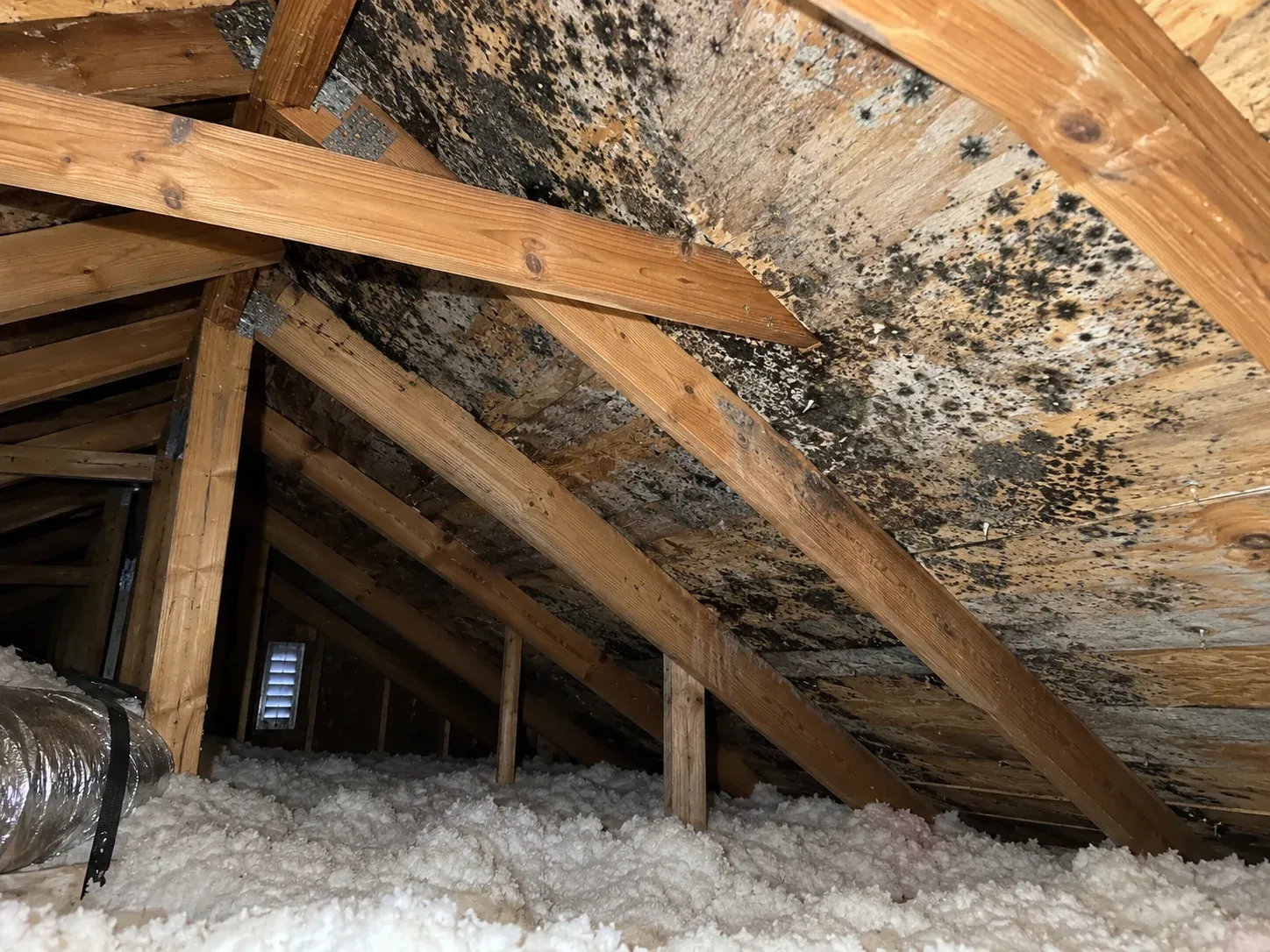
Gettysburg sits in a region with heavy clay soils, periodic flooding from rain or snowmelt, and a water table that can be high in certain neighborhoods. These factors push moisture into foundations and slab floors. Add in older homes with less effective vapor barriers or outdated plumbing, and you have a recipe for hidden mold growth. I have worked on properties near the battlefield where the original stone foundations wick moisture like a sponge. In newer subdivisions, I have found mold behind vapor-tight insulation that trapped condensation during winter months.
Local knowledge matters. A testing protocol that works in a dry climate or a modern high-rise may not apply to a 150-year-old row house on Baltimore Street. That is why working with someone who knows the area makes a difference. When you search for mold testing gettysburg pa, you want a service that understands the specific construction styles, soil types, and weather patterns here. Gettysburg PA Mold Remediation Pros mold testing gettysburg pa is a phrase that reflects that local expertise, because the same company that tests your home also handles the remediation if needed. That continuity means they know exactly what to look for during the testing phase.
What a Proper Mold Test Involves
A thorough mold test is not a single action. It is a process. Typically, it starts with a visual inspection to identify areas of concern. The tester looks for past leaks, condensation patterns, and any signs of water intrusion. Then comes sampling. Air samples are taken with a spore trap that pulls a known volume of air through a sticky medium. Surface samples may be collected with a swab or tape lift from suspicious spots. In some cases, a bulk sample of material, like a piece of drywall or carpet, is sent to a lab for analysis.
The samples go to a third-party lab that uses either non-viable (spore trap) or viable (culturable) analysis. Non-viable tests count all spores present, dead or alive, and give a snapshot of total fungal load. Viable tests grow the mold in a culture to see what species can reproduce. Each method has trade-offs. Non-viable is faster and cheaper but can overcount dead spores that pose no risk. Viable is more precise but takes longer and may miss species that do not grow on the lab medium. A good tester explains which method they are using and why.
Results usually come back within a few days. The lab report lists the types of mold found and the spore count per cubic meter of air. The tester then interprets those numbers against outdoor baseline samples taken the same day. If indoor levels are significantly higher than outdoor levels, or if a specific toxigenic species is present, that is a red flag.
When to Test and When to Skip It
Testing is not always necessary. If you have a small patch of visible mold on a shower wall that you can clean with detergent and a brush, you probably do not need a lab report. But testing becomes valuable in several scenarios. If you are buying a home, especially an older one, a mold test can give you negotiating power or reveal a hidden problem before you close. If someone in the household has asthma, allergies, or a weakened immune system, testing can confirm whether the indoor environment is safe. If you have already remediated mold and want to verify the cleanup worked, post-remediation testing is the only reliable way to confirm success.

I have also seen cases where testing saved homeowners from unnecessary expense. A family in a new development near Route 30 thought they had mold because they saw dark staining on their baseboards. A test showed it was just dirt and scuff marks. They avoided a costly removal process. On the other hand, a couple on the west side of town had no visible mold but persistent headaches and sinus issues. Testing revealed high levels of Aspergillus in their bedroom, traced to a slow leak behind the headboard. The fix was simple, but without the test, they would have kept living with the symptoms.
What Happens After Testing
If the test shows a problem, the next step is remediation. That should always be done by a professional, not by painting over the stain or spraying bleach. Bleach kills surface mold but does not penetrate porous materials like drywall or wood, and it can actually feed some species by adding moisture. Proper remediation involves containment to prevent spores from spreading, removal of contaminated materials, cleaning with HEPA vacuums and antimicrobial agents, and drying the area thoroughly before rebuilding. Gettysburg PA Mold Remediation Pros mold testing gettysburg pa connects you with a team that can handle the entire process from test to final clearance.
After remediation, a second round of testing is a good idea. This is called post-remediation verification. The same sampling methods are used, and the results should show spore counts at or below outdoor levels. That confirmation gives you peace of mind that the problem is truly resolved.
Prevention Is the Real Goal
Testing is not a one-time fix. It is a diagnostic tool. Once you understand the moisture issues in your home, you can take steps to prevent mold from coming back. Fix leaks right away, not when you get around to it. Improve ventilation in bathrooms and kitchens. Use dehumidifiers in basements during humid months. Make sure gutters and downspouts direct water away from the foundation. In Gettysburg, where freeze-thaw cycles can crack foundations and roofs, seasonal maintenance is especially important.
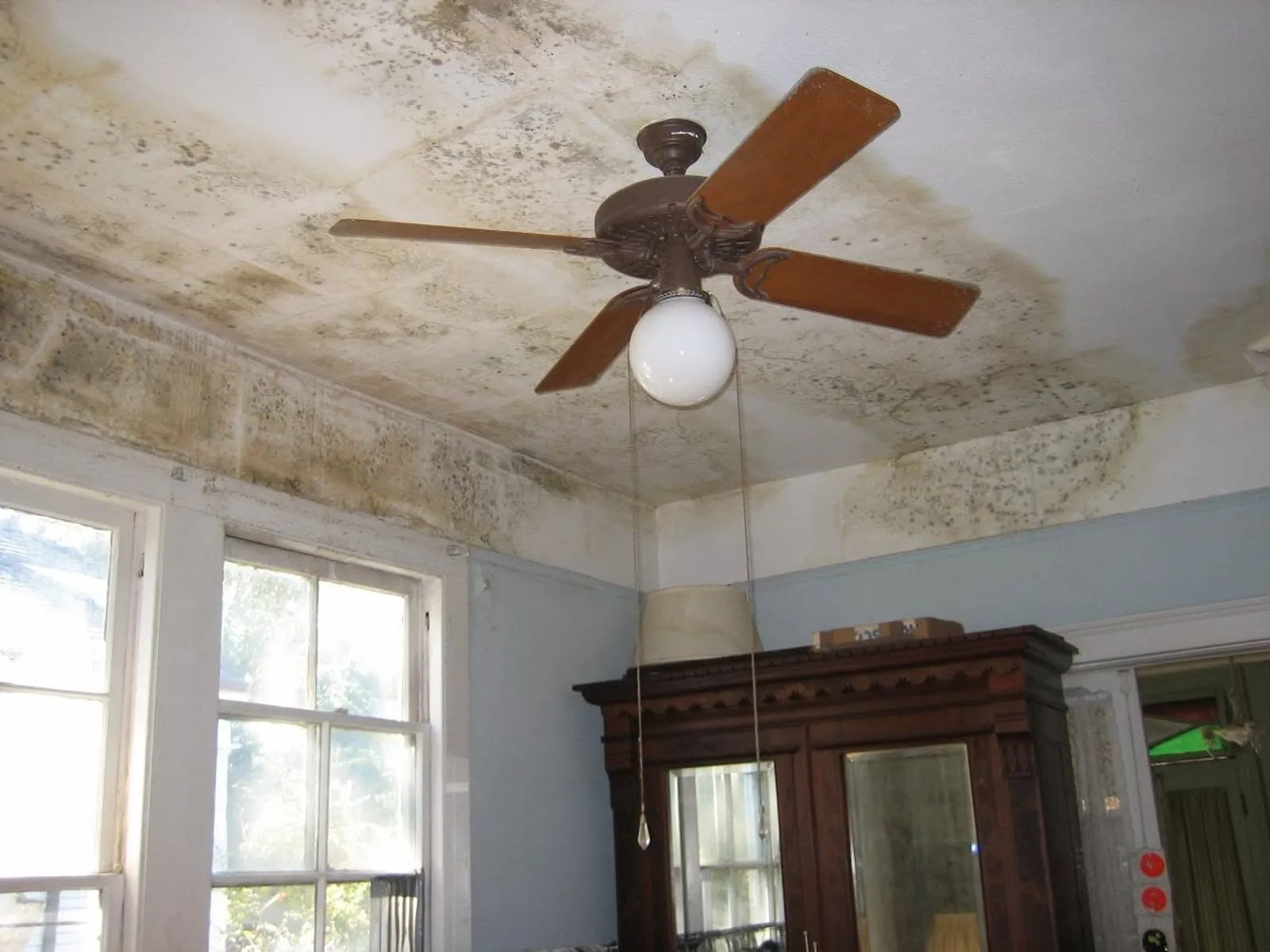
I have seen too many homeowners treat mold like a one-off event. They clean it up, test shows it is gone, and they forget about it. Six months later, the same damp spot reappears. Mold is not a visitor; it is a symptom of a condition. Address the moisture, and you address the mold. Testing just tells you where to focus your effort.
Final Thoughts
If you are wondering whether you need mold testing, start with a simple question: do you have any reason to suspect moisture problems? A past flood, a musty smell, visible staining, or a recent plumbing leak are all good reasons to test. Even if you have none of those, a baseline test when you move into a home can be a smart investment. It is cheap relative to the cost of remediation or health issues down the road. Gettysburg PA Mold Remediation Pros mold testing gettysburg pa is a resource for homeowners who want answers from someone who knows the local territory. The key is to act early, test thoroughly, and fix the root cause. That is the difference between managing mold and eliminating it.
Follow Gettysburg PA Mold Remediation Pros on
 LinkedIn
 Facebook
 YouTube
 Pinterest